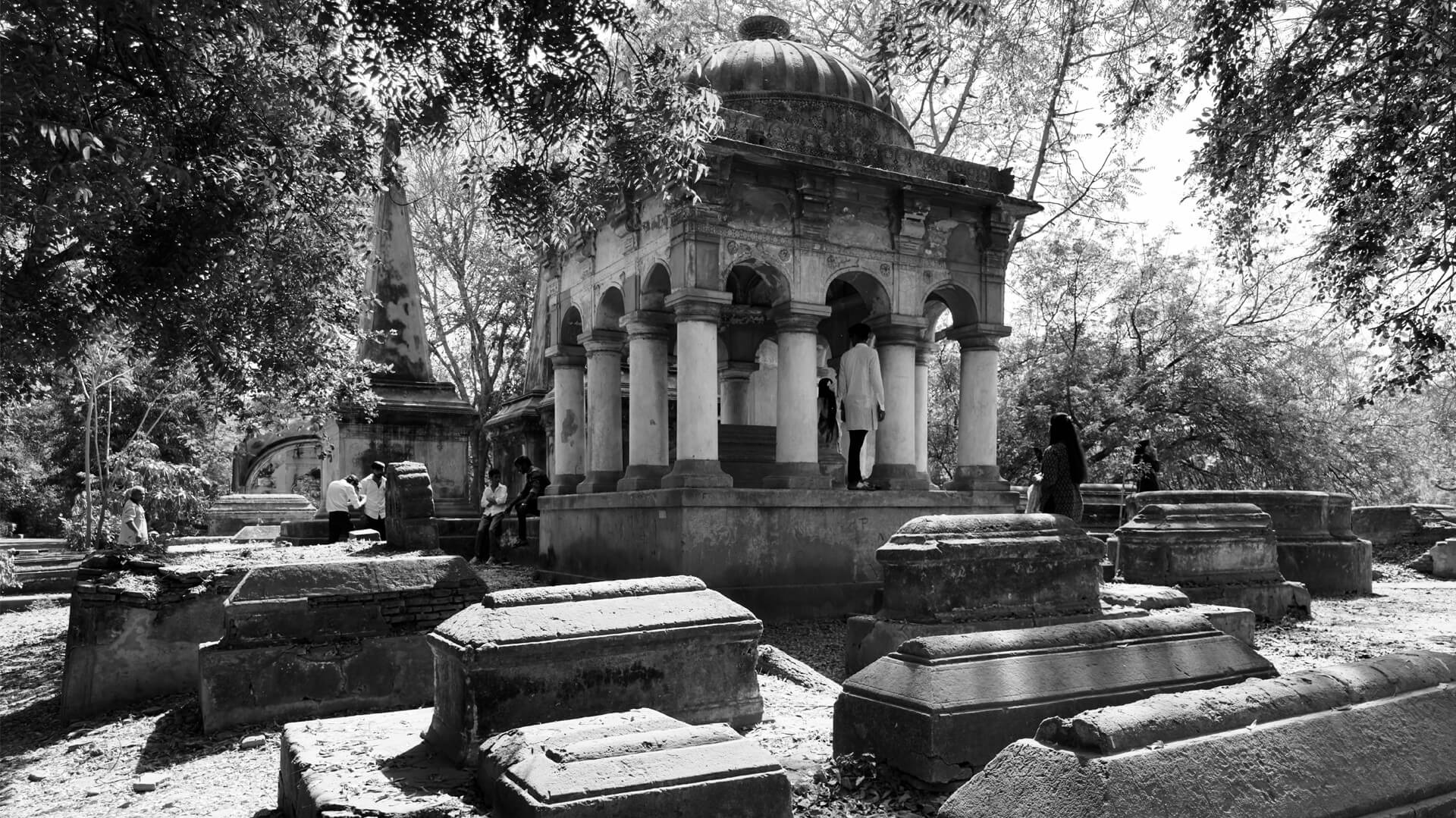


Even before 1411, the city of Ahmedabad - now Gujarat’s most populous city - lived many lives. It started with the Bhil Tribe, when Ahmedabad wasn’t yet Ahmedabad - but was referred to as Ashapali, and then Aashaval.
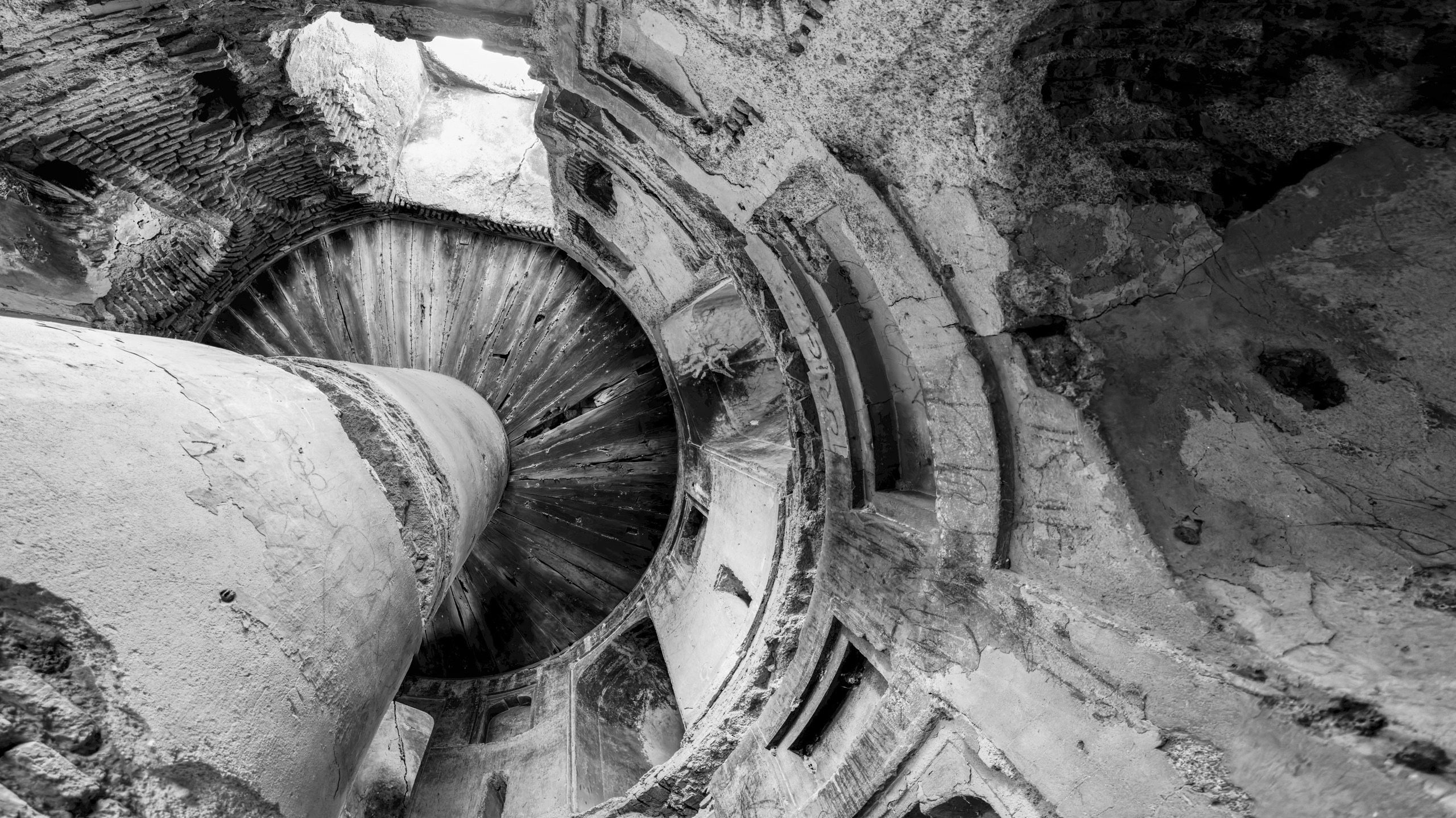
Each change in administration brought with a new sense of identity and culture for the city; an introduction of new ideologies, values, and culture; each change in administration brought with it an evolution in the garden form within the city.
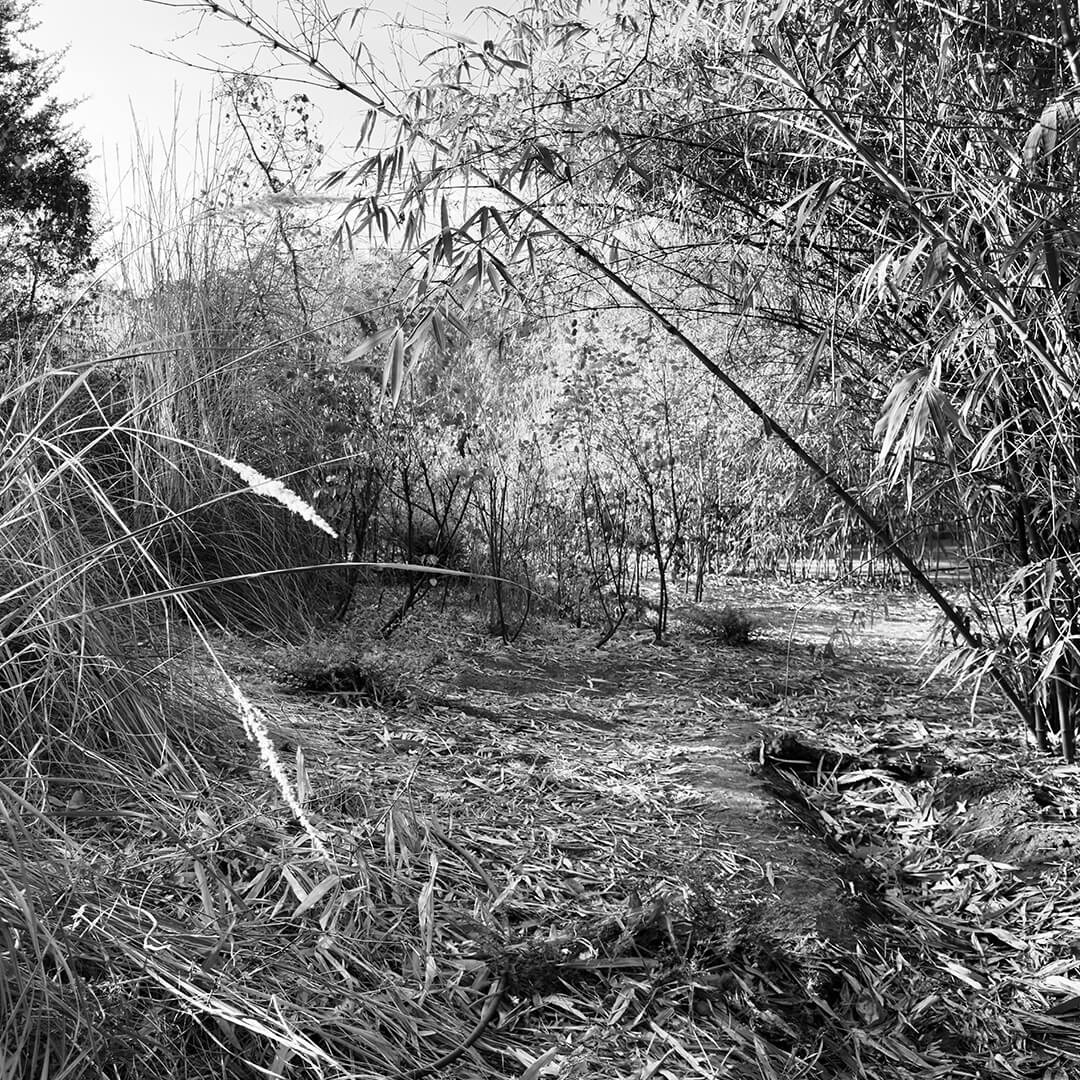
Decoding the narratives of the gardens - some lost, some a distance memory, and some embedded in the social and cultural fabric of the city; and through that, decoding the narratives of Ahmedabad.
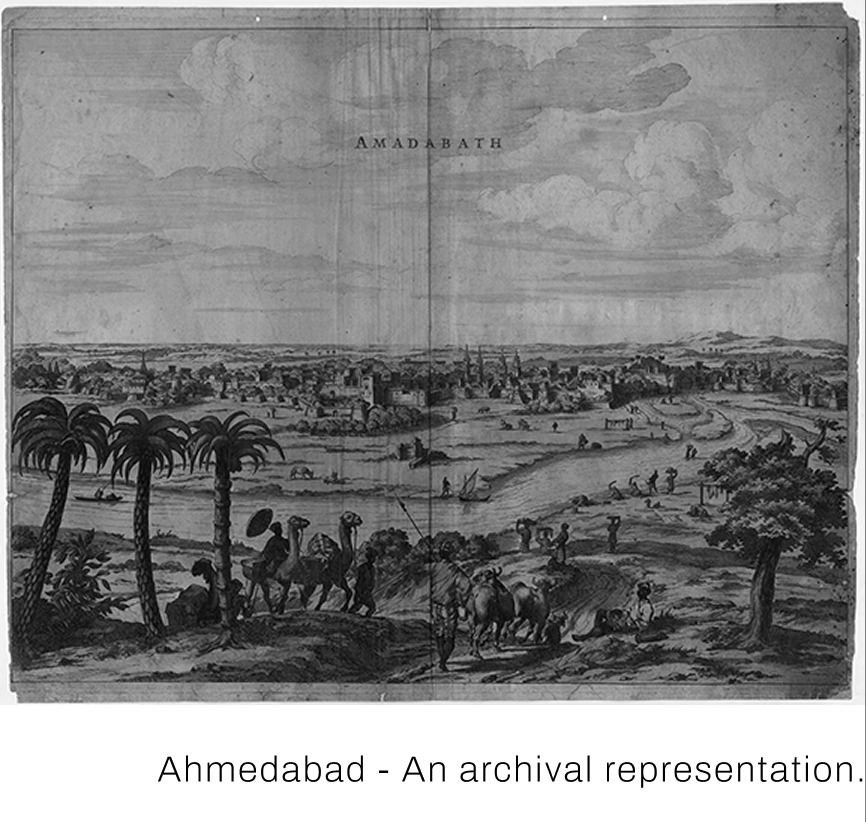
While not always extensive or detailed, what the accounts, and travellogues - dating as far back as 1516 - do make clear is that the Garden Form has always been integral to the city - irrespective of the intent or context within which the space has conceptualised - whether as private pleasure gardens, or as spaces that make moments in time, and history.
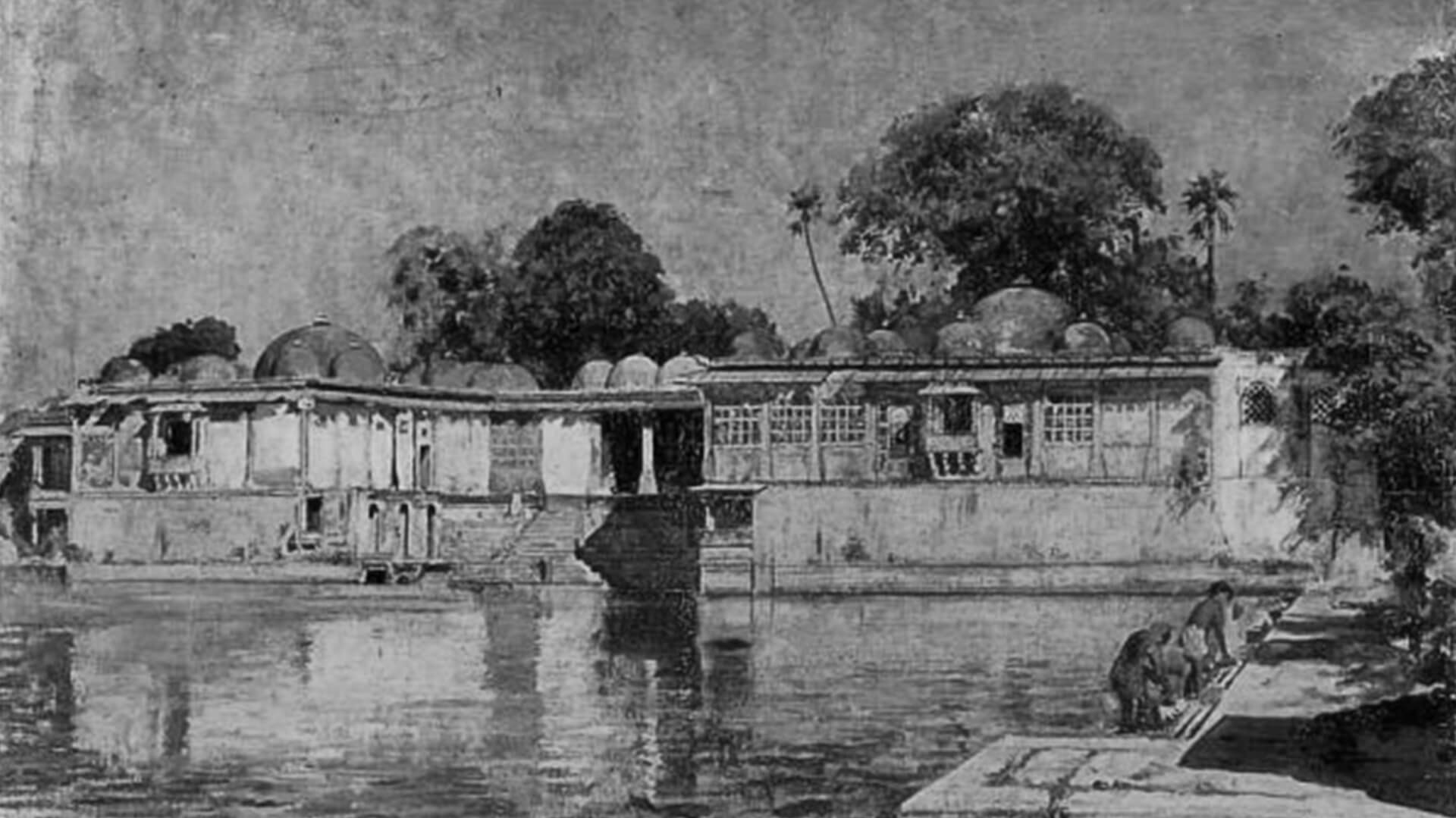
The Garden Histories of Ahmedabad - an on-going research undertaking - hopes to investigate this evolution of the Garden Form, and answer some key questions; who created these spaces, for what purpose, and how they were shaped by their socio-political context. The study will consider why certain gardens have withstood the test of time, while others have faded or vanished, aiming to provide a better understanding of their significance in Ahmedabad’s memories of culture and landscape.
Over the past few months, this project has involved looking at literature - global as well as regional - that explains, or mentions the Gardens in Ahmedabad, while also undertaking conversations with people who have witnessed this evolution in one way or another. A part of the process is also focused towards looking at art, poetry and literature - focusing on the manners in which the Garden Form is represented in this material.
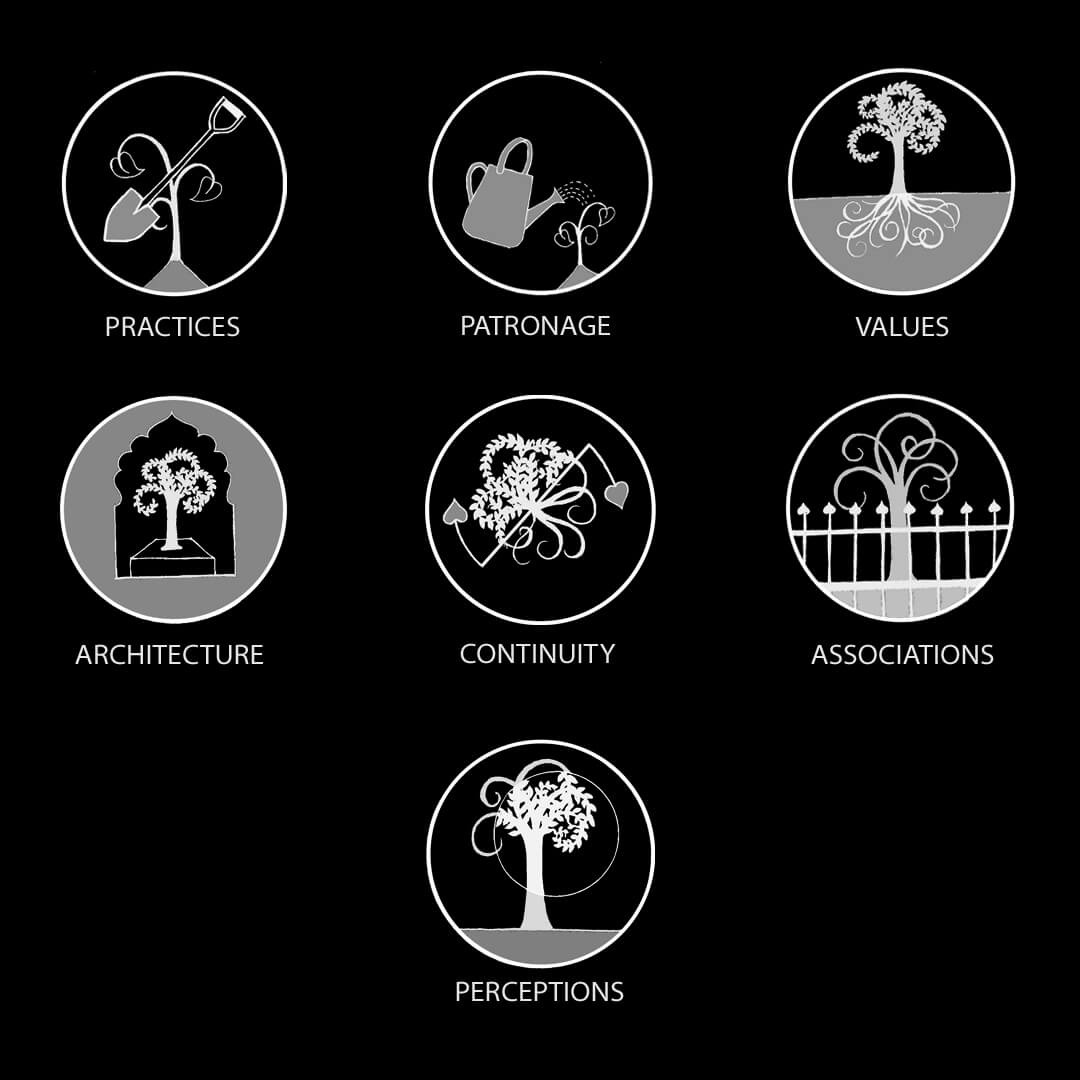
As the study progressed, lenses were developed that have helped not only in the development of a matrix by which to understand the garden narratives, but also in the identification of the gardens that the study would focus on.
This exercise has allowed for an evolving set of lenses to be devised by which to decode the gardens in question. These include values, patronage, architecture, practices, associations, perceptions, and continuity. They are a reflection of the readings, conversations, and other material that has been studied thus far.
While still under works, the ultimate outcome is intended to be a monograph that will narrate the various stories associated with these gardens; lost and otherwise.